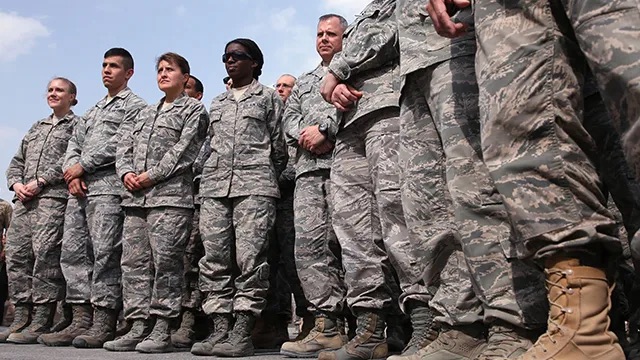
PTSD, traumatic brain injury, and substance use rarely arrive one at a time for those who served. Some of the most striking results in psychedelic medicine have come from veterans — and we help you pursue them the careful way.
The strongest ibogaine data is in veterans: 30 special-operations veterans saw PTSD symptoms fall 88%, depression 87% and anxiety 81% one month after one magnesium–ibogaine treatment, with improved cognition after TBI — open-label, no control group. MDMA-assisted therapy has phase-3 PTSD evidence. Promising, not proof; screening decides fit.
Service changes the nervous system. These are injuries, not character flaws — and they respond to treatment.

Most care treats one diagnosis at a time. The reason ibogaine draws so much attention from the special-operations community is that a single, medically supervised treatment appears to address the stack — trauma symptoms, mood, substance use, and the cognitive fog that follows brain injury — in one carefully managed experience.
The research is early but serious: Stanford Medicine followed 30 special-operations veterans through treatment and tracked large improvements in PTSD, depression, anxiety, and disability ratings one month out (Cherian et al., Nature Medicine, 2024). It was observational — honest researchers say promising, not proven — and Texas has since committed $50 million to move it into formal trials.
Our role is the unglamorous part: verifying that the clinic you choose runs real cardiac screening, keeps medical staff in the building, and plans your aftercare before you fly. That is what makes the difference between a story like the ones in the research — and a risk nobody should take.
The most talked-about results in psychedelic medicine keep coming from people who served. The numbers below are real, and each links straight to the published study — read them yourself.
No single locked path — an advisor who knows the veteran landscape tailors the choice to your situation.
The treatment most studied in special-operations veterans — one supervised experience that addresses trauma, mood, and dependence together.
Explore Ibogaine →Frequently paired with ibogaine in veteran programs — a short, intense experience many describe as the release after the work.
Explore 5-MeO-DMT →The option available today without leaving the country — useful for depression while you weigh the bigger decisions.
Explore Ketamine →The Phase 3 breakthrough for PTSD — heart-opening and relational, it works directly on the traumatic memory with a therapist alongside.
Explore MDMA →Individual experiences vary — but this is the arc veterans describe most often.
The nights get quieter. The body starts to believe it’s allowed to stand down.
Reactions become choices again — at home, in traffic, with your kids.
The self-medication loses its job. What’s underneath finally gets addressed.
Not who you were before — someone who came through it. Presence, purpose, connection.
Public statements from veterans who have been through it. Individual experiences — not typical or guaranteed outcomes.
Years of deployments leave a body with more to account for: old injuries, TBI, stacked prescriptions, sleep that never recovered.
Ibogaine in particular demands respect — its serious risks concentrate in people with pre-existing heart conditions who were never properly screened, and a real cardiac work-up is exactly what catches that. Medication timing matters too: SSRIs, stimulants, and sleep medications all interact with treatment, and a legitimate program builds a taper plan with medical oversight rather than telling you to figure it out. If a program doesn't ask hard questions about your heart, your meds, and your history, that's not convenience — that's the exit sign.
Every step is guided — not just the phone call, but the whole way through.
Understand your options honestly — no pressure, no pitch.
Speak with an advisor who has been through it.
We map your situation and match a verified program.
Cardiac screening, labs, medications — handled before anything.
Care at a vetted program, with support beside you.
The work that makes the change last — we stay with you.
Texas committed $50 million in 2025 to ibogaine clinical trials aimed at FDA approval — championed by Rick Perry and driven by veteran testimony. Members of Congress have described their own treatment on the record. Netflix's In Waves and War put the Stanford-tracked SEAL cohort on screen.
Approval is still years away — which is exactly why the quality of the program you choose today matters more than the headlines. The research momentum is real; so is the range between the best programs and the worst.
No marketing copy explains this better than the veterans who lived it — and the filmmakers who followed them.
Because standard care often stalls on the combination they carry: PTSD, traumatic brain injury, and substance use at once. Stanford researchers who followed 30 special-operations veterans after magnesium–ibogaine treatment reported meaningful improvements in PTSD, depression, and functioning (Cherian et al., Nature Medicine, 2024 — an observational study, so promising rather than proof). Many veterans go where the treatment is legal, and our job is making sure they go somewhere run properly.
Ibogaine's serious risks concentrate in people with pre-existing heart conditions who are not properly screened — which is exactly what a legitimate clinic's cardiac work-up (ECG, labs, medication review) is designed to catch. That screening step is the first thing we verify before we ever mention a provider's name. Read our ibogaine safety guide for the full picture.
Not yet. Ibogaine and 5-MeO-DMT are not FDA-approved, so treatment happens through licensed programs abroad at your own expense. Some veteran-focused foundations offer grants. We help you understand the real costs and what a fair, itemized quote covers.
Yes. Police, fire, EMS, and dispatch carry the same layered load — repeated trauma exposure, hypervigilance, sleep disruption, and the pressure to hold it together. The screening, vetting, and planning work exactly the same way.
Most ibogaine and 5-MeO-DMT programs abroad run five to ten days. Costs vary widely by program and country; reputable ibogaine programs generally run $5,000 to $15,000 depending on length of stay and facility, and a trustworthy provider will give you an itemized quote covering screening, the monitored stay, and aftercare. We help you read those quotes and spot what’s been cut when one comes in suspiciously low.
Sometimes, sometimes not — which is exactly why screening comes first. SSRIs, stimulants, and sleep or blood-pressure medications all interact with these treatments. A legitimate program builds any needed taper with medical oversight rather than telling you to sort it out yourself.
That’s most first calls. There’s no obligation and nothing gets scheduled from a conversation. We’ll tell you honestly what the options are, what the research does and doesn’t show, and what a responsible next step looks like — even if that step is “not yet.”
A confidential conversation about where you are, what you’ve tried, and whether any of this fits — with an advisor who has walked veterans through it before. Start with our ibogaine safety guide if you’d rather read first.
Speak With An Advisor →Ibogaine, often with 5-MeO-DMT, because the published data on PTSD and TBI is in veterans. MDMA-assisted therapy has phase-3 PTSD evidence but limited legal access today.
Yes. Nonprofits including VETS (Veterans Exploring Treatment Solutions) and Heroic Hearts Project provide grants for psychedelic treatment. We point you to them alongside clinic guidance.
Service-related injuries, medications and cardiac history are common. Clinics screen harder because the load carried is heavier, not to exclude.
Programs at the clinics we work with generally run $5,000–$15,000 depending on length of stay and facility, before travel; the VA does not cover it. The $5,000 floor is a negotiated rate that applies only where no detox is required and you are not currently using; most people should plan against the middle of the range.