

5-MeO-DMT Retreats — Find Vetted Centers Through Psychedelic Connect
There is a moment, reported consistently across cultures and clinical settings, that people who have worked with 5-MeO-DMT describe in nearly identical terms: a complete dissolution of the sense of self, followed — within minutes — by what…
What does a 5-MeO-DMT retreat day look like?
Typical structure at the centers we recommend; individual programs vary.
There is a moment, reported consistently across cultures and clinical settings, that people who have worked with 5-MeO-DMT describe in nearly identical terms: a complete dissolution of the sense of self, followed — within minutes — by what many describe as the most profound experience of their lives. For some, it resolves years of PTSD symptoms. For others, it interrupts addictive patterns that conventional treatment never touched. For still others, it shifts an existential depression that had resisted every pharmaceutical approach.
5-MeO-DMT is one of the most potent psychoactive compounds known to exist. It is also the second therapeutic modality Psychedelic Connect covers — alongside ibogaine — and our ability to help patients find 5-MeO-DMT retreat centers is a key differentiator. As of mid-2026, none of the major competing platforms (HealingMaps, Beond, Ambio, Experience Ibogaine) has meaningful coverage of 5-MeO-DMT retreats. That gap is real, and it leaves patients searching without guidance.
This page covers what 5-MeO-DMT is, how it differs from N,N-DMT, its therapeutic applications, legal status by country, what to expect at a retreat, and how our patient advisory service helps you find a vetted center.
Before reading further, note that 5-MeO-DMT is not appropriate for everyone. Read our Ibogaine Safety Guide for overlapping safety principles — and request a consultation or call (866) 435-7057 to speak with a specialist who can assess whether 5-MeO-DMT is appropriate for your situation.
Medical Disclaimer: 5-MeO-DMT carries psychological and physiological risks. This page is educational only and does not constitute medical advice. Work with a qualified medical provider to assess your individual health history before pursuing any psychedelic-assisted treatment.
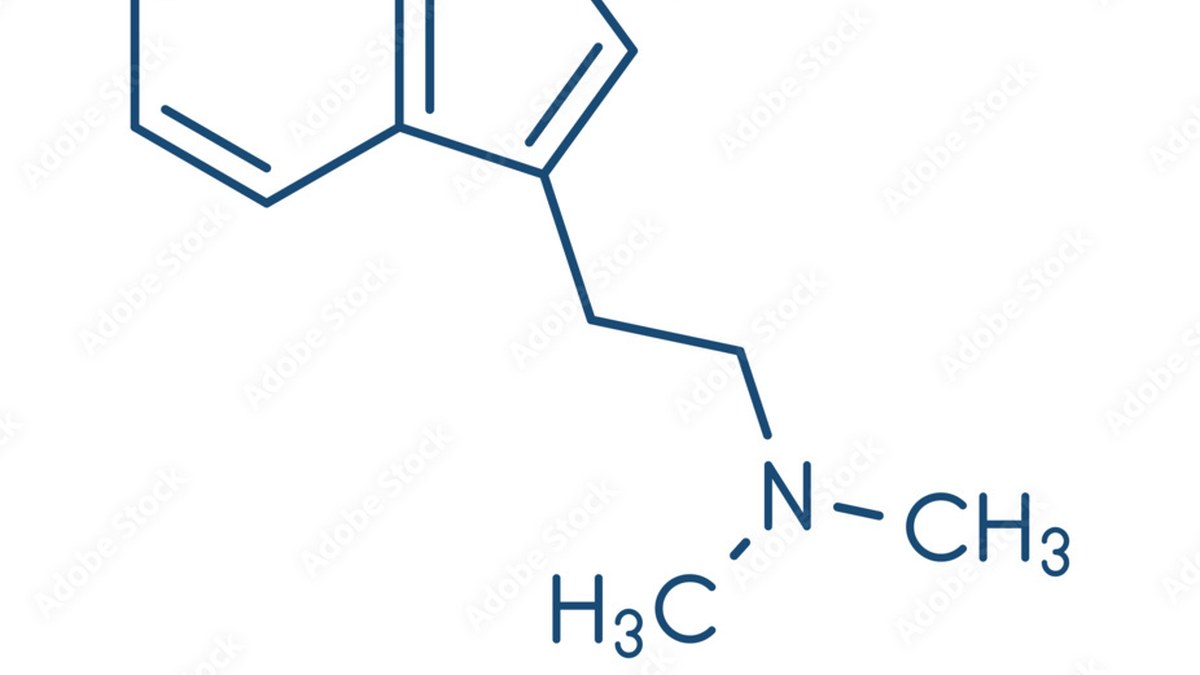
What Is 5-MeO-DMT?
5-MeO-DMT (5-methoxy-N,N-dimethyltryptamine) is a naturally occurring psychedelic tryptamine found in the venom of the Bufo alvarius toad (now called Incilius alvarius), as well as in several plant species. It is also synthesized in pharmaceutical-grade form for use at medical retreats and research settings.
The experience produced by 5-MeO-DMT is categorically different from most other psychedelics. Unlike psilocybin or LSD, which tend to produce rich visual imagery, narrative-like visions, and a modified but recognizable sense of self, 5-MeO-DMT typically produces a near-total ego dissolution — a temporary loss of the subject-object distinction — accompanied by what many describe as a feeling of merging with everything.
The acute experience lasts 15–45 minutes when inhaled (vaporized), making it dramatically shorter than ibogaine (24–36 hours), ayahuasca (6–8 hours), or psilocybin (4–6 hours). This compressed timeline makes 5-MeO-DMT distinctive as a therapeutic tool: a profound, life-altering shift can occur in the time it takes to watch a movie.
5-MeO-DMT vs. N,N-DMT: Understanding the Difference
These two compounds are frequently confused because of their similar names. They are not the same molecule and do not produce the same experience.
N,N-DMT (dimethyltryptamine, often called DMT) is the compound famous for producing vivid visual experiences — machine elves, geometric patterns, and complex alien landscapes. It is the active molecule in ayahuasca. When smoked or vaporized, it produces an intense but short experience (5–20 minutes) dominated by visual and auditory phenomena.
5-MeO-DMT is the methoxylated analog. Its effects are far less visual and far more experiential — the dissolution of self, the merging sensation, and the profound emotional release it produces are qualitatively different. Many people who have experienced both describe 5-MeO-DMT as more powerful and more therapeutically relevant, though individual responses vary significantly.
For therapeutic applications — PTSD, addiction, depression, existential anxiety — the research focus has been on 5-MeO-DMT, not N,N-DMT.
What is 5-MeO-DMT used to treat?
It is most often sought for PTSD and trauma, addiction, treatment-resistant depression, and the existential distress that comes with a serious diagnosis. The research is early and largely observational, which is exactly why screening and setting matter as much as the medicine.
PTSD and Trauma
The ego dissolution that 5-MeO-DMT produces may be therapeutically relevant for PTSD because it temporarily interrupts the self-narrative that trauma has organized itself around. Patients with chronic PTSD often describe being trapped in a repeating story — one anchored in the body, triggered by context, and resistant to purely cognitive interventions. 5-MeO-DMT can interrupt that pattern at a level that talk therapy cannot reach.
A 2019 study published in Psychopharmacology (Davis et al., Johns Hopkins) found that naturalistic use of 5-MeO-DMT was associated with strong mystical-type experiences and enduring reductions in anxiety, depression, and PTSD symptoms. The study noted that a single exposure was sufficient to produce effects that persisted at 4-week follow-up.
Addiction and Substance Use Disorders
Multiple lines of evidence suggest 5-MeO-DMT may interrupt addictive patterns, particularly for substances like alcohol, cocaine, and methamphetamine where ibogaine has a less robust evidence base. The mechanism likely involves the same disruption of habitual neural patterns — the default mode network (DMN) that governs self-referential thought and habit-loop processing — that other psychedelics target.
Many retreat centers offer 5-MeO-DMT as part of a broader program addressing addiction, often in combination with therapeutic preparation and integration support.
Treatment-Resistant Depression
The default mode network, which is hyperactive in depression, is profoundly disrupted by 5-MeO-DMT. The compound has a high affinity for serotonin receptor subtypes — particularly 5-HT1A and 5-HT2A receptors — and its action at those sites may produce rapid antidepressant effects through mechanisms similar to but distinct from those of ketamine or psilocybin.
Research at Maastricht University (Reckweg et al., 2021) using synthetic 5-MeO-DMT in a controlled setting documented significant acute antidepressant effects and rated the experience as highly meaningful by participants. The research foundation is early but consistent.
Existential Anxiety and End-of-Life Distress
5-MeO-DMT’s dissolution of ego boundaries has shown particular relevance for existential distress — the anxiety about meaning, mortality, and identity that conventional therapy addresses slowly and incompletely. Several retreat centers in our network specifically serve patients dealing with terminal illness diagnoses, major life transitions, or grief-related existential crises.
Is 5-MeO-DMT legal, and where can it be used?
5-MeO-DMT is Schedule I in the United States, so legal supervised use happens abroad. It is unscheduled in Mexico and Jamaica and legal in the Netherlands, which is why the established retreat centres are concentrated in those countries.
United States: Schedule I
5-MeO-DMT was added to the DEA‘s Schedule I list in 2011. It is illegal to possess, distribute, or administer in the United States. No exemptions exist for religious, therapeutic, or research use outside of specifically DEA-approved research protocols.
Mexico: Legal
5-MeO-DMT is not scheduled under Mexican federal law, which is the primary reason retreat centers serving US patients operate in Mexico. Both toad-venom ceremonies and synthetic 5-MeO-DMT sessions are offered legally at Mexican retreat centers. This is the same legal framework that allows ibogaine clinics to operate in Mexico.
Netherlands: Legal
Like ibogaine, 5-MeO-DMT is not scheduled in the Netherlands. A small number of clinical retreat programs operate there, typically offering highly structured therapeutic containers with integration support.
Jamaica: Unscheduled
5-MeO-DMT is unscheduled in Jamaica, and several retreat facilities have operated there. Jamaica’s psychedelic retreat sector is more developed for psilocybin (mushrooms are legal), but 5-MeO-DMT programs exist.
Important Note on Toad Venom
The Bufo alvarius toad, from which natural 5-MeO-DMT venom is harvested, is a protected species in Mexico. Responsible retreat centers increasingly use synthetic pharmaceutical-grade 5-MeO-DMT rather than toad venom, both for conservation reasons and because synthetic preparations allow more precise dosing and elimination of other compounds present in toad secretions.
What happens at a 5-MeO-DMT retreat?
Three stages: preparation and medical screening before you travel, a short supervised session of roughly 15–45 minutes, and integration afterwards. The session is the smallest part of the programme by time, and the part around it is what distinguishes a careful retreat from a careless one.
Pre-Retreat Preparation
A reputable 5-MeO-DMT retreat center will require preparation work before your arrival. This typically includes:
- Medical screening: Health history, current medications, and psychological history. Certain medications — particularly MAOIs, SSRIs, and lithium — can be contraindicated with 5-MeO-DMT.
- Psychological preparation: One-on-one calls with a guide or therapist to establish intentions, address fears, and ensure psychological readiness.
- Dietary and substance protocol: Most centers require abstaining from alcohol, cannabis, and certain foods in the days before the session.
The Session Itself
Sessions are typically conducted in small groups of 2–6 participants or in individual (one-on-one) settings. You will lie down or be seated comfortably. The guide will administer the 5-MeO-DMT — either via inhalation of vaporized synthetic compound or through the traditional toad venom method — and remain present throughout the experience.
Many people do both in one trip — our page on the ibogaine and 5-MeO-DMT combination protocol explains how the two are sequenced.
The acute experience lasts 15–45 minutes. During this time, the guide’s role is to ensure physical safety and provide a stabilizing presence. Most participants have little memory of the acute phase — the experience often transcends the capacity for sequential memory formation.
Post-Session Integration
What happens in the hours and days after the session is as important as the session itself. Responsible retreat centers provide:
- Same-day integration conversations with a guide while the experience is fresh
- Group sharing circles (in group retreat formats) that normalize the experience and provide community
- Follow-up integration sessions in the weeks after returning home
- Referral to integration-specialized therapists for ongoing work
Integration is the process of extracting meaning from the experience and anchoring shifts in daily life. Without it, even a profound 5-MeO-DMT experience can fade without lasting therapeutic effect.
Why is 5-MeO-DMT usually done after ibogaine?
Because the two do different jobs. Ibogaine addresses the physical dependence and the pattern behind it over 24–36 hours; the 5-MeO-DMT session follows once the person is stable, typically 24–48 hours later, and is used to consolidate what surfaced.
One of the most significant developments in psychedelic medicine over the past several years is the emergence of combination protocols that use ibogaine and 5-MeO-DMT in sequence — typically ibogaine first, followed by 5-MeO-DMT 1–3 days later.
The rationale is neurobiological: ibogaine works at the level of specific addiction-related receptor systems (opioid receptors, sigma-2 receptors, NMDA receptors) and requires a long, physically demanding session. 5-MeO-DMT, administered after the ibogaine experience has resolved, can provide what practitioners describe as an opening or lifting effect — a sense of possibility and positive affect that complements the deep neurological reset of ibogaine.
The combination has been used at several clinics in our network and is reported by practitioners to produce better integration outcomes than either substance alone. It is not appropriate for all patients — the combination requires careful medical assessment — but it represents one of the most compelling treatment approaches available in the current psychedelic medicine landscape.
If you are considering the ibogaine + 5-MeO-DMT combination, our advisory service can identify clinics specifically experienced with this protocol.
How Psychedelic Connect Helps You Find a 5-MeO-DMT Retreat
Our advisory service covers both ibogaine and 5-MeO-DMT — and this dual capacity is rare in the current landscape. Most platforms and directories focus on one substance or the other. We assess each patient’s situation and help them determine which modality (or combination) makes the most sense, then introduce them to vetted centers.
For 5-MeO-DMT specifically, our vetting criteria include:
- Qualified guides or therapists with documented training in psychedelic-assisted care
- Medical screening that identifies contraindicated medications (SSRIs, MAOIs, lithium)
- Clear informed consent and preparation process
- Integration support built into the program
- Use of pharmaceutical-grade synthetic 5-MeO-DMT (preferable to toad venom for safety and conservation reasons)
- Appropriate physical safety environment — padded surfaces, minimal fall hazard, trained monitors
Fill out our intake form at psychedelic-connect.com/consultation/ or call (866) 435-7057 to speak directly with a specialist.
How much does a 5-MeO-DMT retreat cost?
Standalone 5-MeO-DMT retreats vary enormously. On the largest retreat directory, listed US programmes currently run from roughly $550 to $3,400 depending on length and how much one-to-one support is included. Where 5-MeO-DMT is the second stage of an ibogaine programme, it is normally bundled into that $5,000–$15,000 fee rather than charged separately. The $5,000 floor is a negotiated rate that applies only where no detox is required and you are not currently using; most people should plan against the middle of the range.
That is close to a sixfold spread between the cheapest and dearest listings on a single directory, and the range is the point. At the lower end you are usually paying for a short group programme with shared accommodation. At the higher end you are paying for one-to-one facilitation, medical screening before the session, and structured integration afterwards. As with ibogaine, the number that matters is the all-in figure, not the nightly rate — and the exclusions are usually flights, pre-arrival medical checks, and any ongoing therapy once you are home. Our full breakdown of ibogaine and 5-MeO-DMT programme pricing sets out what a fee should and should not cover.
Because the two medicines are so often sequenced together, most people we speak to are not choosing between them on price. They are asking whether a combined programme is right for them at all — which is a screening question before it is a budget one.
How long does a 5-MeO-DMT session last?
The acute experience lasts about 15–45 minutes when the medicine is vaporised, with onset inside the first minute and the peak in the first five. A retreat built around it usually runs two to five days, because preparation and integration take far longer than the session itself.
This is the detail that surprises people most, and it is worth stating plainly: 5-MeO-DMT is one of the shortest experiences in psychedelic medicine and one of the most intense. The brevity is part of why it is comparatively practical to supervise — a facilitator can remain fully present throughout, and the person is usually able to sit up and speak within the hour.
The short session is also why the surrounding structure matters so much. A programme that offers the session and little else is selling you the smallest part of the process.
How do you prepare for a 5-MeO-DMT retreat?
Preparation is medical, pharmacological and psychological. Expect a health and medication review, a taper plan if you take an MAOI or certain antidepressants, and at least one conversation about what you are hoping to resolve — arranged with the centre well before you travel.
A retreat that asks you nothing before you arrive has told you something important about itself. The preparation that reputable programmes ask for generally covers:
- Medication review. MAOIs are the serious interaction, and some antidepressants require a supervised taper with time to clear. This is arranged with a prescriber at home, not on arrival.
- Medical and cardiac history. Screening should happen before you are accepted, not after you have paid.
- Mental-health history. A personal or family history of psychosis or bipolar disorder needs an honest conversation, because it changes suitability.
- Intention and expectation. The people who do best tend to arrive with a question rather than a demand for a specific outcome.
- Aftercare arranged in advance. Book the integration support before you go. It is markedly harder to organise in the week after.
What does 5-MeO-DMT do to the brain?
5-MeO-DMT acts mainly on serotonin 5-HT1A and 5-HT2A receptors, and briefly disrupts the default mode network — the system underlying self-referential thought. That interruption is what people describe as the temporary dissolution of the sense of self.
The honest position is that the mechanism is better described than it is understood. Researchers can say with confidence which receptors are involved and can observe the default mode network quieten; what remains genuinely open is why a fifteen-minute experience appears, for some people, to shift patterns that years of rumination did not. That is an exciting open question rather than a reason for doubt, and it is one the current wave of research is designed to answer.
What this does mean practically is that 5-MeO-DMT is not a mild experience to be approached casually. The same properties that make it therapeutically interesting are why it belongs in a screened, supervised setting.
Is a bufo ceremony the same as a 5-MeO-DMT retreat?
Not necessarily. “Bufo” refers to 5-MeO-DMT taken from the secretion of the Sonoran Desert toad; a ceremony usually means a traditional or group setting, while a retreat more often implies screening, facilitation and integration built around the session.
The distinction matters for two reasons. The first is conservation: demand for toad-derived material puts pressure on a wild species, which is why many responsible programmes now use synthetic 5-MeO-DMT instead. The second is consistency — synthetic preparations allow a known purity and a known dose, where secretion contains other compounds in variable amounts. We explain the difference in full in our guide to what bufo is and where it comes from.
Neither word is a quality signal on its own. A ceremony can be carefully run and a retreat can be careless. What separates them is whether anyone screened you, who is with you during the session, and what happens in the weeks afterwards.
Frequently Asked Questions
Q: What is 5-MeO-DMT and is it the same as DMT? A: No. 5-MeO-DMT and N,N-DMT are related but distinct molecules with very different effects. N,N-DMT produces intense visual experiences; 5-MeO-DMT produces a near-complete dissolution of the sense of self.
Q: Is 5-MeO-DMT legal? A: In the United States, 5-MeO-DMT is a Schedule I controlled substance and is illegal to possess or administer. In Mexico and the Netherlands, it is not scheduled and can be legally used at retreat centers.
Q: How long does a 5-MeO-DMT experience last? A: The acute phase lasts approximately 15–45 minutes when vaporized or inhaled. A full retreat program including preparation and integration typically lasts 3–7 days.
Q: What conditions is 5-MeO-DMT used for? A: The strongest research basis is for PTSD, depression, and addiction. The 2019 Johns Hopkins study (Davis et al.) documented significant reductions in anxiety, depression, and PTSD symptoms following naturalistic 5-MeO-DMT use.
Q: Can I do 5-MeO-DMT if I’m on antidepressants? A: This requires careful medical evaluation. SSRIs reduce the effectiveness of 5-MeO-DMT and may require tapering. MAOIs are potentially dangerous in combination. Any reputable center conducts a full medication review before accepting you.
Q: Is 5-MeO-DMT from a toad or synthetic? A: Both exist. Most responsible centers now use synthetic pharmaceutical-grade 5-MeO-DMT because it allows precise dosing and avoids contributing to toad population decline.
Q: What is the ibogaine + 5-MeO-DMT combination protocol? A: Some clinics offer ibogaine and 5-MeO-DMT in sequence — typically ibogaine first, followed by 5-MeO-DMT 1–3 days later. The combination produces complementary neurological effects and is thought to support better integration outcomes.
Q: Is 5-MeO-DMT safe? A: When administered by trained guides in a properly screened patient population, 5-MeO-DMT has a strong safety record. The primary risks are psychological rather than physiological. Proper screening eliminates most serious risk.
Begin Your 5-MeO-DMT Retreat Search
If you’re considering a 5-MeO-DMT retreat and want to find a vetted center without sorting through directories that lack clinical standards, Psychedelic Connect is the place to start. We help patients find both ibogaine and 5-MeO-DMT programs — and for patients who might benefit from the combination protocol, we know which clinics have the experience to manage it safely.
Request your consultation or call (866) 435-7057 to speak with a specialist today. Also read: Ibogaine Safety Guide.
Related on this site: 5-MeO-DMT guide · 5-MeO-DMT treatment centers · ibogaine and 5-MeO-DMT combination · what is bufo · what we do
Sources and further reading
- DEA drug scheduling (ibogaine is Schedule I in the US)
- SAMHSA National Helpline (1-800-662-HELP) — free, confidential, 24/7
Speak with an advisor.
A confidential conversation about your situation and the options actually worth considering — from people who visit every provider they recommend.