
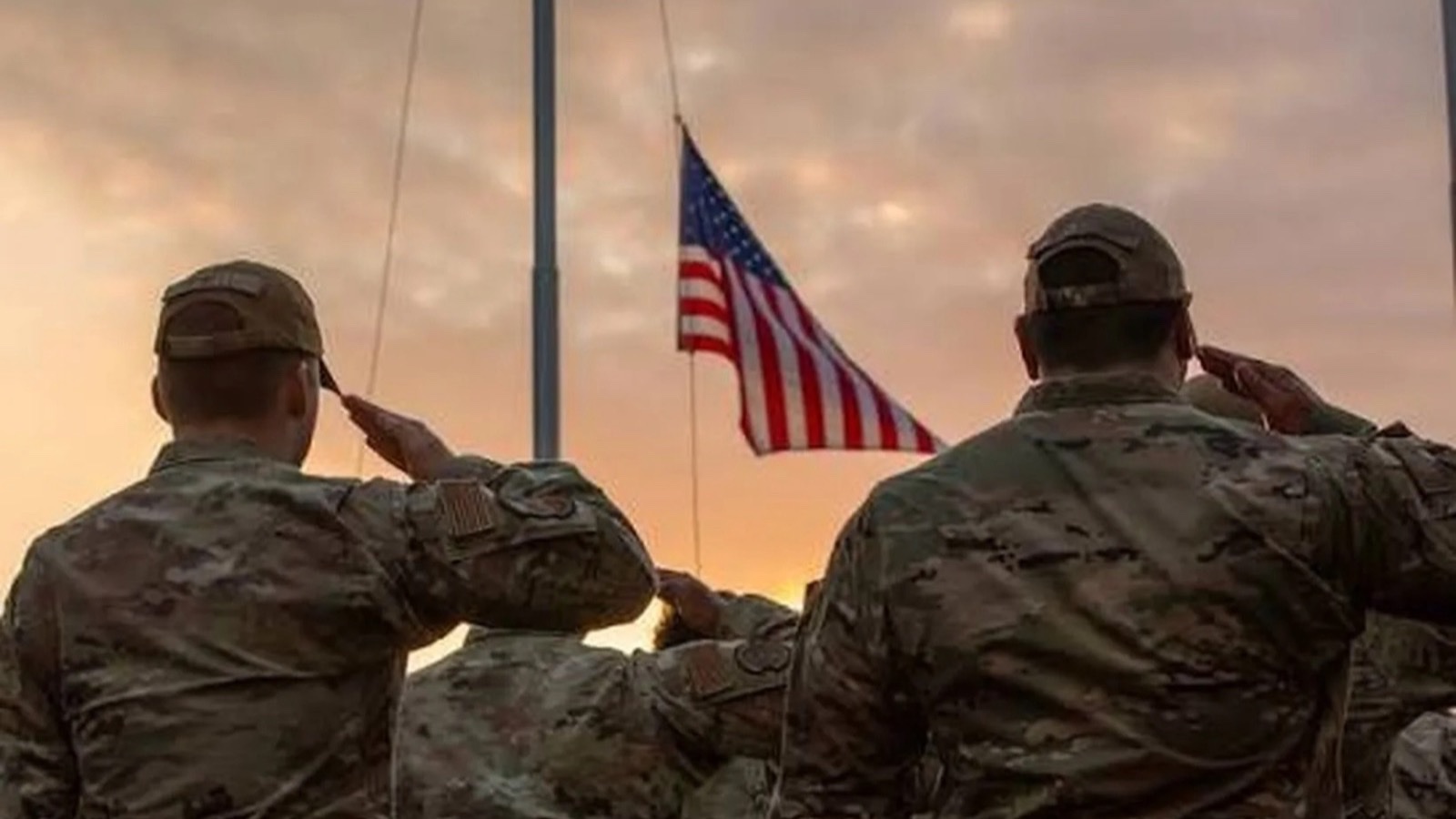
Ibogaine for Veterans: PTSD, TBI, and What the Data Shows in 2026
The Stanford Nature Medicine study found 88% reduction in PTSD in special operations veterans after a single ibogaine session. Here is what veterans need to know about ibogaine, how to access it, and what the research actually shows.
What does the data show for veterans considering ibogaine?
One strong signal and honest limits: 88% average PTSD reduction, 87% depression and 81% anxiety one month after treatment in 30 special-operations veterans, with cognitive gains after TBI — open-label, no control group. The VA does not cover it; nonprofits fund some veterans; programs at the clinics we work with run $5,000–$15,000. The $5,000 floor is a negotiated rate that applies only where no detox is required and you are not currently using; most people should plan against the middle of the range.
The United States has approximately 18 million veterans. Of those, an estimated 20% of post-9/11 veterans have PTSD. Traumatic brain injury affects between 10–20% of combat veterans who served in Iraq and Afghanistan. Veteran suicide rates have remained stubbornly high for over a decade — in many years exceeding combat deaths — despite billions invested in VA treatment programs.
The system is doing its best. The results are not good enough.
The Research Record
Ibogaine Research Timeline
Where the evidence actually stands — described as research, not results.
- 1993
The FDA approves a Phase I safety trial led by Dr. Deborah Mash at the University of Miami — the first US-sanctioned human study. Funding lapses before Phase II.
- 2017
A New Zealand observational study follows opioid-dependent patients through legal ibogaine treatment over 12 months. Noller et al., Am J Drug Alcohol Abuse, n=14, observational
- 2024
Stanford’s Magnesium–Ibogaine study (MISTIC) reports on 30 US Special Operations veterans with traumatic brain injury treated in Mexico — an open-label study, not a controlled trial. Cherian et al., Nature Medicine 2024, n=30, open-label
- 2025–26
Texas funds ibogaine research — state legislation directs public money toward FDA-pathway clinical trials, the largest US public investment in the compound to date.
All entries describe published research and public records. Open-label and observational designs cannot establish efficacy; controlled trials are still ahead.
The Stanford Study: What It Found
In 2025, a Stanford Medicine research team published the results of a clinical study on ibogaine treatment in special operations veterans in Nature Medicine. All 30 participants had TBI, PTSD, depression, and anxiety — most had received prior treatment without adequate relief. After a single ibogaine treatment session at a supervised clinic in Mexico:
- PTSD symptom scores declined by 88% (Cherian et al., Nature Medicine, 2024 · observational, no control group, n=30)
- Depression scores declined by 87%
- Anxiety scores declined by 81%
- Cognitive function scores improved — particularly notable given the underlying TBI diagnosis
Dr. Nolan Williams stated these represented “the most dramatic improvement in PTSD we’ve ever seen in any clinical trial.” The best available pharmacological treatments for PTSD typically produce 20–30% symptom reductions. Ibogaine, in a single session, produced improvements nearly three times larger.
Why Veterans Respond So Strongly to Ibogaine
Ibogaine addresses several of the specific challenges veterans face simultaneously. It promotes neuroplasticity by increasing BDNF, which may support the kind of neural repair that blast-injured brains need — something no existing pharmacological toolkit for TBI can achieve. The 24–36 hour ibogaine experience allows many veterans to revisit traumatic events from a perspective that feels different — less reactive, more detached — allowing examination of combat experiences and moral injuries that had previously felt impossible to approach. Many veterans also report a significant reduction in baseline hypervigilance, as if a volume dial stuck at maximum was finally turned down.
The Political Moment for Veterans
In April 2026, President Trump signed an executive order directing $50 million toward psychedelic treatments for veterans, with ibogaine specifically cited. Rick Perry, former Governor of Texas, appeared on the Joe Rogan Experience and spoke passionately about ibogaine’s potential for veterans. Marcus Capone, former Navy SEAL and co-founder of VETS, has spoken publicly about his ibogaine experience reversing what had been a devastating period following his service.
Accessing Treatment and Financial Assistance
Ibogaine treatment is legal in Mexico and has been administered at licensed clinics there for over two decades. Programs typically cost $5,000–$15,000, not covered by VA benefits. Several nonprofit organizations — including Heroic Hearts Project and VETS (Veterans Exploring Treatment Solutions) — have grant programs to help veterans access psychedelic treatments including ibogaine. These are worth exploring before self-funding. Medical screening is non-negotiable; veterans may have complex medication histories that require careful management before treatment.
Related on this site: ibogaine for veterans · veterans with TBI · veterans and first responders · the full cost breakdown · ibogaine safety guide
What do people ask about Ibogaine for Veterans: PTSD, TBI, and What the Data Shows in 2026?
Does the VA cover ibogaine?
No. Costs are out of pocket; VETS and Heroic Hearts Project fund some veterans.
Is the Stanford study proof?
It is the strongest signal to date, not proof; controlled trials are underway.
Where do veterans go?
Licensed clinics in Mexico with veteran-specific programs; we know which ones.
Sources and further reading
- Nature Medicine (2024): magnesium–ibogaine therapy in veterans with traumatic brain injury — open-label, n=30, no control group
- SAMHSA National Helpline (1-800-662-HELP) — free, confidential, 24/7
Speak with an advisor.
A confidential conversation about your situation and the options actually worth considering — from people who visit every provider they recommend.