
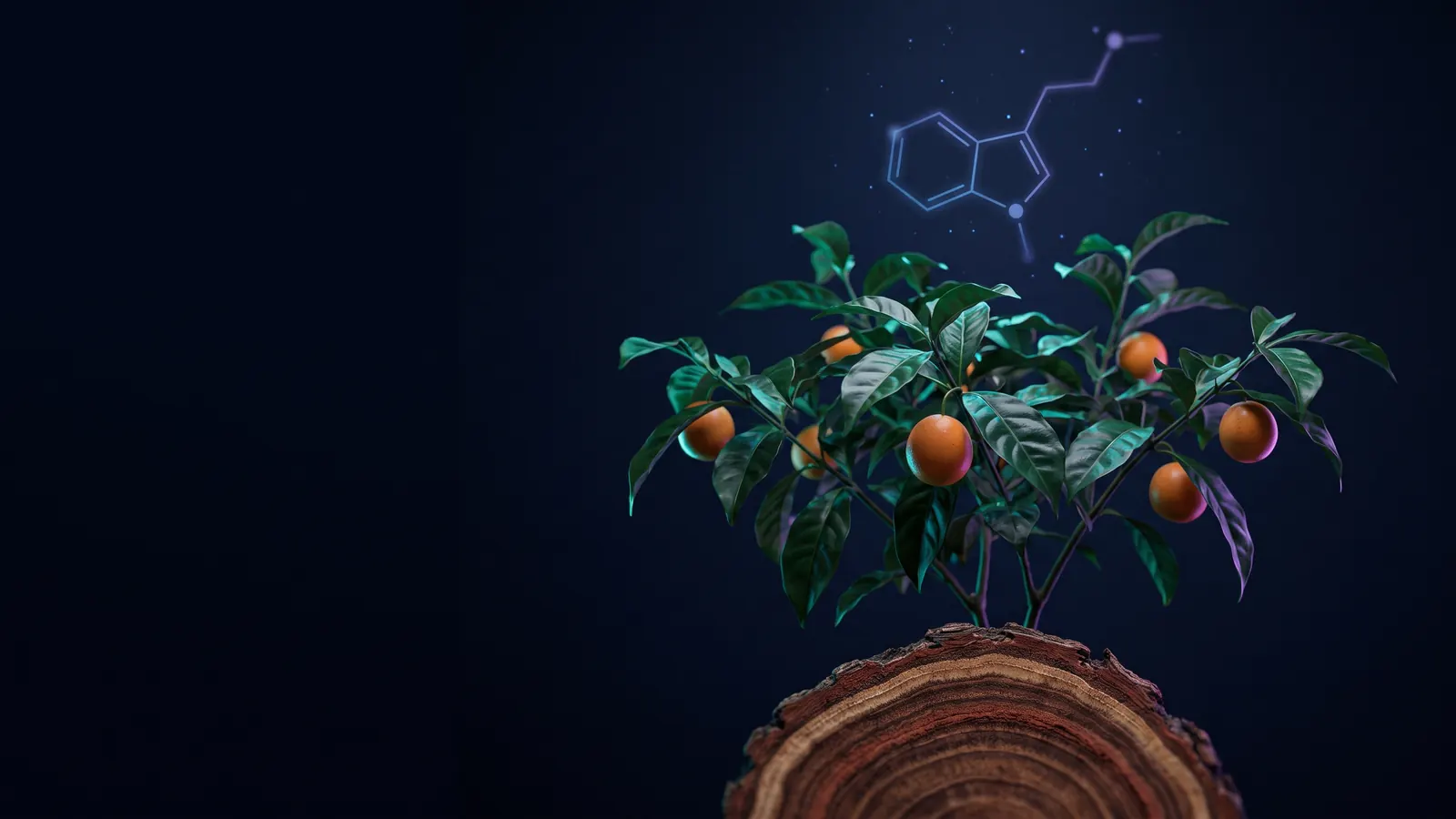
Natural Sources of Ibogaine: Iboga, Voacanga, and Beyond
Most clinic websites say ibogaine is "derived from a plant in Africa" and move on. But the source of ibogaine — whether it's iboga root bark, a total alkaloid extract, synthetic ibogaine HCl, or something from a different…
Natural Sources of Ibogaine: Iboga, Voacanga, and What the Difference Means for Treatment
Most clinic websites say ibogaine is “derived from a plant in Africa” and move on. But the source of ibogaine — whether it’s iboga root bark, a total alkaloid extract, synthetic ibogaine HCl, or something from a different plant species — matters more than most people realize. The differences affect alkaloid profile, ceremonial context, sustainability, cost, and what the clinical experience is likely to feel like.
If you’re trying to find a reputable clinic that uses high-quality, responsibly sourced ibogaine, call us at (866) 435-7057 or visit our consultation page.
Where Ibogaine Comes From: The Iboga Plant
Ibogaine is an indole alkaloid found most abundantly in the root bark of Tabernanthe iboga, a perennial rainforest shrub native to Gabon, Cameroon, and surrounding West-Central Africa. The plant has been used for centuries in the Bwiti religious and healing traditions of the Fang and Mitsogo peoples.
Iboga grows slowly — 10–12 years to reach maturity with significant alkaloid concentrations. The root bark contains not only ibogaine but tabernanthine, ibogamine, ibogaline, and other alkaloids. The relative concentrations and interactions between these alkaloids are what distinguishes whole plant material from isolated ibogaine.
Iboga Root Bark vs. Total Alkaloid Extract vs. Ibogaine HCl
Iboga root bark (RB): The whole root bark, dried and powdered. Contains the full alkaloid spectrum. Used in traditional Bwiti ceremonies and by some clinics taking a ceremonial approach. The experience is generally described as more earthy, with a different quality than isolated ibogaine. Alkaloid concentration varies by batch; difficult to dose precisely.
Total alkaloid extract (TA): An extract that concentrates the full range of iboga alkaloids into a more potent, more consistent preparation. Still contains the full alkaloid complex, not just ibogaine. More precise dosing than raw root bark. Often preferred by ceremonially-oriented practitioners who want the full plant complexity without raw bark variability.
Ibogaine HCl (hydrochloride): Isolated ibogaine, purified to pharmaceutical-grade. This is what all major clinical research — Mash, Noller, Brown & Alper, and the Stanford VETS study — evaluated. Dosing is highly precise. Most medically supervised clinics in Mexico use ibogaine HCl because the cardiac monitoring and safety protocols were developed around it.
There is genuine clinical debate about whether the full alkaloid complex produces meaningfully different outcomes than isolated HCl. Some practitioners believe in synergistic effects — an “entourage effect” analogy with cannabis research. Comparative research hasn’t resolved this yet.
Voacanga Africana: The Primary Commercial Source
Most ibogaine HCl used in clinical settings worldwide does not come from Tabernanthe iboga. It comes from Voacanga africana, a related tree native to tropical West Africa. Voacanga contains voacangine, which is converted into ibogaine HCl through a multi-step semi-synthetic process.
This is the primary commercial production route for ibogaine worldwide, and it’s why pharmaceutical-grade ibogaine can be produced at scale without decimating wild iboga populations. Voacanga africana is more abundant and grows faster than iboga. The ibogaine HCl produced is chemically identical to ibogaine isolated directly from iboga root bark.
Sustainability Concerns: Iboga Is Endangered
Tabernanthe iboga is listed on Appendix II of CITES due to sustainability concerns. Wild populations in Gabon and surrounding countries have been significantly depleted by domestic ceremonial demand, international export demand, and deforestation. The 10–12 year growth cycle before harvest makes this a genuine conservation issue.
Clinics using iboga root bark should source it from cultivated, not wild-harvested, iboga. Organizations like the Global Ibogaine Therapy Alliance (GITA) are actively working to develop sustainable cultivation and support Gabonese farmers. The voacanga-derived ibogaine HCl route sidesteps much of this conservation pressure by using an abundant species.
For the practical difference between the isolated compound and the root bark, see ibogaine versus iboga.
Synthetic vs. Plant-Derived Ibogaine
“Synthetic ibogaine” usually refers to ibogaine HCl produced via the voacangine semi-synthesis route — not built from petrochemicals, but produced through chemical conversion rather than direct extraction from iboga. Clinically, it is pharmacologically equivalent. The Stanford VETS study and other major trials used ibogaine HCl and their results reflect what this preparation produces.
Fully synthetic ibogaine — built entirely from scratch in a laboratory — is being developed by companies like Mindstate Design Labs and DemeRx with the goal of FDA approval pathways. If successful, it would entirely decouple ibogaine supply from plant sources.
Three Questions to Ask Any Clinic About Their Medicine
1. Is this ibogaine HCl, total alkaloid extract, or root bark — and what is the source? You deserve a straight answer. If HCl, ask whether it’s from a licensed manufacturer with documentation. If root bark or TA, ask whether it’s cultivated or wild-harvested.
2. How is dosing determined? With ibogaine HCl, dosing is calculated by body weight and adjusted by a physician or clinical pharmacologist. Root bark and TA dosing is less precise. Who makes this decision matters.
3. What quality testing has been done? High-quality programs send their ibogaine to third-party labs for purity and concentration testing. If a clinic can’t tell you whether their medicine has been tested, that’s a red flag.
Psychedelic Connect asks these questions on your behalf and won’t refer patients to clinics that can’t answer them clearly.
Frequently Asked Questions
What is the primary natural source of ibogaine?
Ibogaine is found most abundantly in the root bark of Tabernanthe iboga, native to Gabon and Cameroon. However, most commercially produced ibogaine HCl is semi-synthesized from voacangine, found in Voacanga africana.
Is iboga root bark the same as ibogaine?
No. Iboga root bark is the whole plant material containing ibogaine plus many other alkaloids. Ibogaine is a single molecule isolated from the root bark or produced from voacanga. The clinical research was conducted primarily with isolated ibogaine HCl.
Is iboga endangered?
Yes. Tabernanthe iboga is on Appendix II of CITES due to sustainability concerns. Wild populations have been significantly depleted. Clinics using iboga root bark should source from cultivated plants, not wild-harvested material.
Why do some clinics use root bark instead of ibogaine HCl?
Some practitioners believe the full alkaloid complex produces a qualitatively different experience with synergistic therapeutic effects. Others prefer it for ceremonial reasons. This is a philosophical and clinical choice rather than a decision with clear comparative evidence behind it.
What is voacanga africana used for in ibogaine production?
Its seeds contain voacangine, which is chemically converted into ibogaine HCl through a semi-synthetic process. This is the primary commercial production route for ibogaine globally. The resulting ibogaine HCl is pharmacologically equivalent to ibogaine extracted directly from iboga.
Ready to Talk to Someone?
Understanding the source of the medicine is one piece of evaluating whether an ibogaine clinic is operating responsibly. Call us at (866) 435-7057 or visit our consultation page. Before any treatment, read our ibogaine safety guide.
Psychedelic Connect is a treatment advisory service. We do not provide medical advice. Ibogaine treatment involves serious medical considerations including cardiac risks. Always consult a qualified medical professional before pursuing any treatment.
Related on this site: ibogaine vs iboga · what is ibogaine · ibogaine treatment guide · ibogaine safety guide · what we do
Sources and further reading
Speak with an advisor.
A confidential conversation about your situation and the options actually worth considering — from people who visit every provider they recommend.