
What is Ibogaine?
Ibogaine is a naturally occurring compound found in the root bark of Tabernanthe iboga, a shrub native to Central West Africa. (The plant and the molecule are routinely confused — see iboga vs ibogaine, and why the preparation…
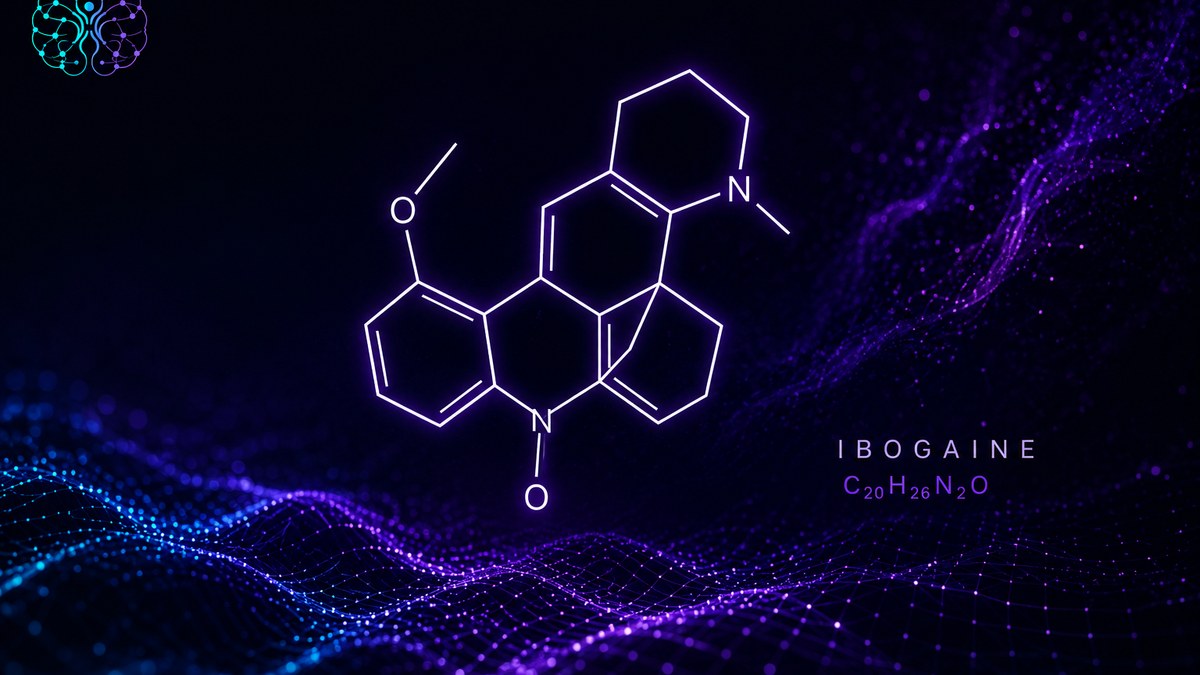
What Is Ibogaine?
Ibogaine is a naturally occurring compound found in the root bark of Tabernanthe iboga, a shrub native to Central West Africa. (The plant and the molecule are routinely confused — see iboga vs ibogaine, and why the preparation decides the dose.) For generations, this plant has been used in ceremonial and healing practices in countries such as Gabon and Cameroon. In recent decades, ibogaine has gained international attention for a different reason: its potential role in treating substance use disorders and certain mental health conditions.
Key Facts
Ibogaine at a Glance
- What it is
- A naturally occurring alkaloid from the root bark of Tabernanthe iboga, a Central African shrub
- US legal status
- Schedule I — not available in US clinics; patients travel abroad
- Where it’s used
- Mexico, Costa Rica, Portugal, Netherlands, Gabon
- Program length
- Typically 7–10 days including screening, treatment, and recovery
- Program fees
- Starting at $5,000 — varies by provider and program length
- Screening
- Mandatory: 12-lead EKG, blood panel, medication review — cardiac risk is the central safety issue
Reviewed against the PC Ibogaine Safety Guide, July 2026. Not medical advice.
The Research Record
Ibogaine Research Timeline
Where the evidence actually stands — described as research, not results.
- 1962
Howard Lotsof, then a 19-year-old heroin user in New York, first describes ibogaine’s apparent interruption of opioid withdrawal — the observation that started the field. Lotsof’s later patent: US 4,499,096 (1985)
- 1970
The US classifies ibogaine as Schedule I, halting domestic clinical use and pushing research and treatment abroad.
- 1993
The FDA approves a Phase I safety trial led by Dr. Deborah Mash at the University of Miami — the first US-sanctioned human study. Funding lapses before Phase II.
- 2017
A New Zealand observational study follows opioid-dependent patients through legal ibogaine treatment over 12 months. Noller et al., Am J Drug Alcohol Abuse, n=14, observational
- 2024
Stanford’s Magnesium–Ibogaine study (MISTIC) reports on 30 US Special Operations veterans with traumatic brain injury treated in Mexico — an open-label study, not a controlled trial. Cherian et al., Nature Medicine 2024, n=30, open-label
- 2025–26
Texas funds ibogaine research — state legislation directs public money toward FDA-pathway clinical trials, the largest US public investment in the compound to date.
All entries describe published research and public records. Open-label and observational designs cannot establish efficacy; controlled trials are still ahead.
Today, ibogaine sits at the intersection of traditional medicine and modern science. While it is not approved as a prescription treatment in the United States, it is used in specialized clinics in countries like Mexico, where patients seek alternatives to conventional addiction treatment. For most Americans the first encounter with it has not been clinical at all — it has been the documentary films made about it.
How Ibogaine Works in the Body
Ibogaine affects several systems in the brain at the same time. This is one reason it has drawn interest from researchers studying addiction.
Most addictive substances—such as opioids, alcohol, and stimulants—affect the brain’s reward system, particularly dopamine pathways. Over time, repeated use changes how the brain responds to stress, reward, and decision-making. This is what makes addiction difficult to treat with willpower alone.
Ibogaine interacts with multiple neurotransmitter systems, including:
- Dopamine (linked to reward and motivation)
- Serotonin (linked to mood and emotional regulation)
- NMDA receptors (involved in learning and memory)
By acting on these systems at once, ibogaine appears to “reset” certain patterns associated with addiction. Many patients report a rapid reduction in withdrawal symptoms and cravings after treatment.
In addition, ibogaine is metabolized into a compound called noribogaine, which remains active in the body for days or even weeks. This extended effect may help stabilize mood and reduce the risk of immediate relapse.
Ibogaine and Addiction Treatment
Ibogaine is best known for its potential to interrupt substance dependence, particularly opioid addiction.
Effects on Withdrawal
One of the most studied aspects of ibogaine is its impact on withdrawal symptoms. Opioid withdrawal can include severe pain, nausea, anxiety, and insomnia. These symptoms are a major reason people relapse.
Observational studies and clinical reports have found that:
- Many patients experience a significant reduction in withdrawal symptoms within 24–48 hours
- Some report little to no withdrawal after treatment, though this varies by individual
- The acute detox phase is often shorter compared to traditional methods
This rapid change is one of the main reasons ibogaine has gained attention among people who have struggled with repeated detox attempts.
Effects on Cravings
Beyond withdrawal, ibogaine may also reduce cravings—the persistent urge to use a substance.
Small studies and patient follow-ups have shown:
- Reduced drug cravings lasting weeks to months after treatment
- Improvements in mood and emotional stability during early recovery
- Increased openness to therapy and behavioral change
However, outcomes vary. Ibogaine is not a cure for addiction, and long-term recovery usually requires continued support, such as counseling or aftercare programs.
Research and Clinical Evidence
Scientific research on ibogaine is still developing. Unlike approved medications, it has not gone through large-scale Phase III clinical trials in the United States. However, several smaller studies and observational reports provide insight into its effects.
Key findings include:
People researching ibogaine usually arrive comparing it with something else. Two useful starting points are ibogaine versus ketamine and the difference between ibogaine and iboga root bark.
Two related questions come up constantly: where ibogaine comes from naturally, and whether microdosing ibogaine is a meaningful alternative to a flood dose.
- A study of opioid-dependent individuals found that a majority experienced reduced withdrawal symptoms and drug use following treatment
- Research involving veterans with traumatic brain injury and PTSD reported measurable improvements in depression, anxiety, and functioning after ibogaine therapy
- Preclinical studies suggest ibogaine may promote neuroplasticity, meaning it could help the brain form new connections
While these results are promising, researchers emphasize the need for more controlled studies to confirm safety and effectiveness.
What the Ibogaine Experience Is Like
Ibogaine treatment is not simply a medical procedure. It is a multi-phase experience that typically lasts 24 to 36 hours, followed by a recovery period.
Acute Phase
The first phase begins within a few hours of taking ibogaine and can last 6 to 12 hours. During this time, individuals often experience:
- Intense visual imagery
- Deep personal memories
- A dream-like state while awake
This phase is sometimes described as introspective, with many patients reporting insights into their behavior, past experiences, and patterns of addiction.
Evaluative Phase
After the initial effects, a second phase may last another 12 to 24 hours. This period is generally less intense and more reflective. Patients often remain awake and continue processing thoughts and emotions.
Recovery Phase
Following the main experience, individuals typically feel physically tired but mentally clear. Medical monitoring continues, especially because ibogaine affects heart function and requires careful supervision.
Safety and Medical Risks
Ibogaine is a powerful compound, and it carries real risks. Safety is one of the most important considerations for anyone exploring this treatment.
Medical Screening
Ibogaine is a medical procedure, and a real program treats it as one. Before anyone is accepted for treatment they go through a full work-up: an ECG and bloodwork, a complete medical history, and a review of every medication they are taking, several of which have to be tapered and cleared beforehand.
That screening is where anything that would make someone a poor candidate — a pre-existing heart condition, an electrolyte imbalance, an interacting drug — is found and discussed openly, before any decision is made.
It is also the clearest signal of whether a clinic is running a medical programme or selling a retreat. A provider that will take a booking without it is telling you what you need to know.
Other Risks
Additional risks may include:
- Nausea and vomiting
- Loss of coordination
- Sensitivity to light and sound
- Psychological distress during the experience
For these reasons, ibogaine should only be administered in a setting that includes:
- Cardiac monitoring (such as EKG)
- Medical staff trained in emergency response
- Pre-treatment screening for health conditions
Legal Status of Ibogaine
Ibogaine’s legal status varies by country.
- In the United States, ibogaine is classified as a Schedule I substance, meaning it is not approved for medical use
- In Mexico, it is not specifically scheduled, which has allowed clinics to operate and provide treatment
- Some countries allow limited research or compassionate use, but access remains restricted
This legal landscape is one reason Mexico has become a major destination for ibogaine therapy.
Why People Travel for Ibogaine Treatment
Many individuals seeking ibogaine treatment travel internationally, most often to Mexico. Several factors contribute to this trend:
- Lack of availability in their home country
- Lower cost compared to long-term inpatient treatment
- Access to specialized clinics with experience in ibogaine therapy
Mexico, in particular, has developed a network of clinics near the U.S. border and in coastal regions. These centers vary widely in quality, which makes research and due diligence important.
Who Ibogaine May Be For
Ibogaine is typically considered by individuals who:
- Have struggled with opioid, alcohol, or stimulant dependence
- Have not found success with traditional treatments
- Are seeking a rapid detox approach
It may also be explored by people dealing with:
- Depression
- Trauma-related symptoms
- Repetitive behavioral patterns
However, ibogaine is not appropriate for everyone. It is generally not recommended for individuals with:
- Heart conditions
- Certain psychiatric disorders
- Liver impairment
- Use of medications that interact with heart rhythm
A full medical evaluation is necessary before treatment.
Limitations and Realistic Expectations
While ibogaine has shown potential, it is important to approach it with realistic expectations.
- It is not a guaranteed cure for addiction
- Results vary widely between individuals
- Long-term success often depends on aftercare, environment, and support systems
Some people experience lasting change after a single treatment, while others may relapse without continued support. Research suggests that combining ibogaine with therapy and lifestyle changes leads to better outcomes.
The Role of Aftercare
Aftercare is a critical part of the ibogaine treatment process. The experience itself may create a window of reduced cravings and increased clarity, but maintaining progress requires ongoing effort.
Common aftercare strategies include:
- Counseling or psychotherapy
- Support groups
- Lifestyle changes (nutrition, sleep, stress management)
- Continued medical follow-up
Clinics that offer structured aftercare planning often report better long-term outcomes among their patients.
Summary
Ibogaine is a plant-derived compound with a unique profile. It affects multiple systems in the brain and has shown potential to reduce withdrawal symptoms and cravings associated with addiction.
At the same time, it carries significant risks, particularly related to heart function, and requires careful medical supervision.
Research into ibogaine is ongoing, and while early findings are promising, it is not yet an approved treatment in many countries. As a result, individuals often travel to places like Mexico to access therapy.
For those considering ibogaine, the most important factors are safety, proper screening, and a plan for long-term recovery. When approached responsibly, it may offer a different pathway for individuals who have not found success with conventional treatments.
FAQs About Ibogaine
What makes ibogaine different from traditional detox methods?
Ibogaine works on multiple brain systems at once and may reduce withdrawal symptoms and cravings more rapidly than conventional detox approaches.
Where can ibogaine treatment be accessed legally?
While not permitted in the United States, ibogaine is available in countries like Mexico, where specialized clinics provide treatment.
What does the treatment experience feel like?
Most people go through an extended, introspective state involving vivid imagery and memory recall, followed by a period of reflection and mental clarity.
How quickly does it take effect?
Initial effects typically begin within a few hours, with many individuals reporting noticeable changes in withdrawal symptoms within 1–2 days.
Is medical supervision necessary?
Yes. Due to potential heart-related risks, proper screening and continuous monitoring are essential during treatment.
Who typically considers ibogaine treatment?
It’s often explored by people who haven’t found success with standard addiction treatments or are looking for an alternative approach.
Are results permanent after one session?
Outcomes vary. Some experience lasting benefits, but continued support and lifestyle changes are usually needed for long-term success.
How do I choose a safe clinic?
Look for centers that provide medical screening, cardiac monitoring, experienced staff, and clear aftercare planning.
Find Ibogaine Treatment in Mexico Today
If you’re exploring ibogaine treatment in Mexico, finding a safe and reputable clinic is one of the most important steps in the process. Treatment centers vary widely in terms of medical oversight, experience, and quality of care, which makes choosing the right provider critical.
Psychedelic Connect is a treatment advisory designed to help individuals and families navigate this process with confidence — how we vet the clinics we recommend is set out in full. We provide access to trusted ibogaine clinics in Mexico, along with the information you need to compare options and make informed decisions.
Whether you’re seeking treatment for opioid dependence, alcohol use, or other substance-related challenges, you can browse clinics based on location, level of care, and treatment approach.
Most U.S. patients access ibogaine at licensed clinics offering ibogaine treatment in Mexico, where it is legal and medically supervised.
Related on this site: ibogaine treatment guide · benefits of ibogaine · side effects of ibogaine · ibogaine safety guide · ibogaine treatment cost
Sources and further reading
- Nature Medicine (2024): magnesium–ibogaine therapy in veterans with traumatic brain injury — open-label, n=30, no control group
- American Journal of Drug and Alcohol Abuse (2018): ibogaine treatment outcomes for opioid dependence, 12-month follow-up (Noller et al.) — observational, n=14, New Zealand
- DEA drug scheduling (ibogaine is Schedule I in the US)
Speak with an advisor.
A confidential conversation about your situation and the options actually worth considering — from people who visit every provider they recommend.