

Ibogaine
For people who've tried everything — especially opioid and other substance use disorders — ibogaine can interrupt addiction in a single, medically-supervised experience. We help you understand it honestly and reach a program that meets a real safety…
Ibogaine treatment, done safely.
For people who’ve tried everything — especially opioid and other substance use disorders — ibogaine can interrupt addiction in a single, medically-supervised experience. We help you understand it honestly and reach a program that meets a real safety standard. Confidential, transparent, and always with your safety first.
We hold every clinic we recommend to our published standard · Every provider held to the PC Provider Standard™
A powerful tool — that demands real medical care.
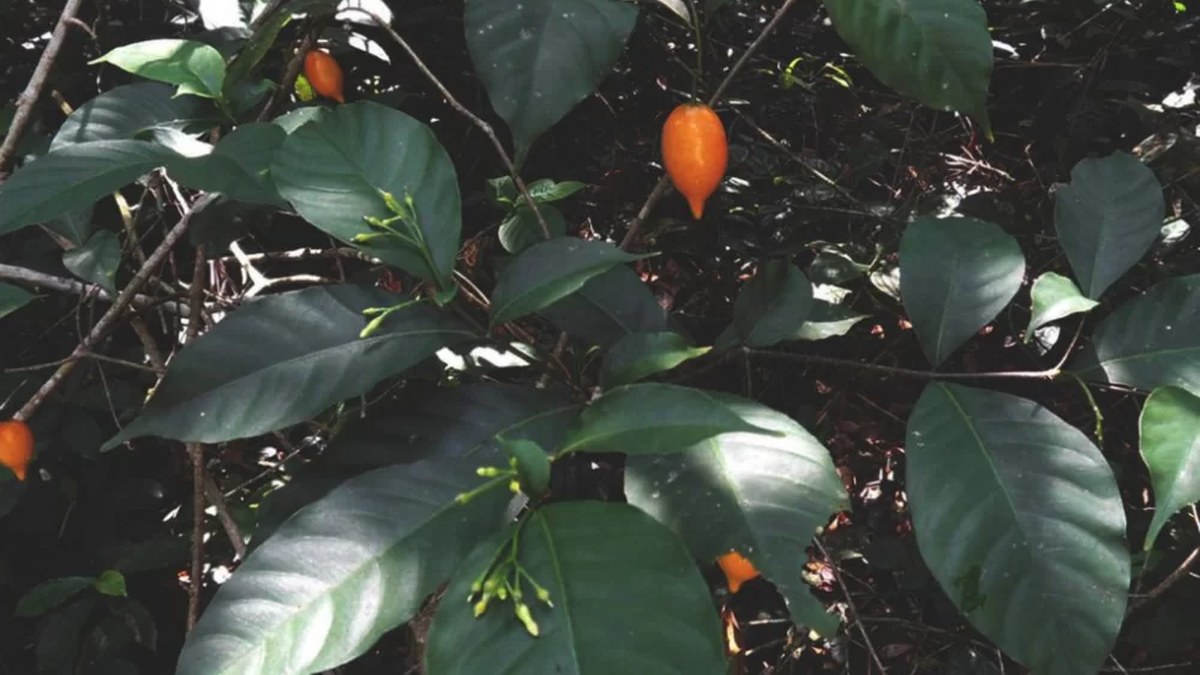
Ibogaine is a naturally occurring psychoactive compound derived from the West African iboga shrub (Tabernanthe iboga). In a supervised medical setting it produces a single, long (often 24–36 hour) introspective experience that, for many people, sharply reduces drug cravings and eases withdrawal — which is why it’s best known for interrupting opioid and other substance addictions.
It is not a casual or recreational experience, and it is not a cure-all. Ibogaine is not approved by the FDA and is a Schedule I substance in the United States; it is administered legally in supervised clinics in countries such as Mexico and Costa Rica. It is only appropriate under proper medical screening and supervision, which is where eligibility is actually decided. Research is still early but increasingly promising — including recent work in veterans with traumatic brain injury and PTSD — and we’ll always tell you honestly what is and isn’t established.
Most people who consider ibogaine have already tried everything else.
Opioid use disorder
Best known for interrupting opioid addiction — many people report a dramatic reduction in withdrawal and cravings after a single supervised session. Often considered when detox and maintenance haven’t held.
Other substance use disorders
Also used for stimulant (cocaine, methamphetamine) and alcohol use disorders, and for polysubstance dependence. Fit depends on your history and a careful medical review.
Treatment-resistant & complex cases
People who’ve cycled through conventional programs, relapsed repeatedly, or feel out of options. Emerging research also explores trauma, PTSD, and TBI — promising, not yet established.
Honest note: ibogaine isn’t right for everyone, and part of our job is telling you when it isn’t — or isn’t yet. Appropriateness depends on your medical history, current medications, and cardiac health.
A careful, medically-supervised process.
What a properly run program actually does.
The medicine is the same everywhere. What differs — enormously — is the medical process wrapped around it. This is the part worth judging a program on, and the part most people never think to ask about.
Before you are accepted
A real program screens you before it will take your booking: an ECG and full bloodwork, a complete medical and psychiatric history, and a line-by-line review of every medication you take — several of which have to be tapered and cleared well before treatment. Electrolytes are corrected ahead of dosing. This is also where any pre-existing condition that would make someone a poor candidate is found and talked through honestly, which is precisely what the screening exists to do.
During and after the session
Continuous medical monitoring throughout · qualified medical staff physically present, not on call · emergency medications and equipment on hand · a written hospital-transfer plan · monitored rest and observation in the days afterwards · and a structured integration plan before you go home. A program that cannot describe all of this in detail is telling you something.
The other side of the ledger, honestly: for someone in active opioid addiction, the risks of continuing — overdose, disease, death — are severe and ongoing. A properly screened, medically supervised program is a different category of decision from an unsupervised one. We help you weigh that clearly, for your specific situation.
With ibogaine, the provider is the safety.
Because the risks are managed by screening, monitoring, and staff, the single most important decision you make is where you go. That’s the whole reason we exist — and why we hold every ibogaine provider to a published, ten-point standard before we’d ever introduce you.
For the specific dependencies people most often ask about, see ibogaine for opioid addiction and ibogaine for methamphetamine addiction.
What happens afterwards matters as much as the session: the 90 days of integration that decide outcomes, and how long the effects actually last.
See the full PC Provider Standard™ → Get the Safe Provider Evaluation Guide →
Trying to help someone you love?
If you’re researching ibogaine for a child, partner, sibling, or parent caught in addiction, you’re carrying an enormous weight — and probably a lot of fear. We’ll help you understand whether ibogaine is a realistic option for their situation, what a safe program looks like, what questions to ask, and how to talk about it — with patience and without judgment.
What does ibogaine treatment cost, and how long does it take?
A complete programme runs $5,000 to $15,000 depending on length of stay and facility, plus travel. Most programmes run five to fourteen nights, built around a single dosing session of 24–36 hours.
The dose is one night. The programme around it is not. A five-night stay sits at the bottom of the range; ten nights prices around $12,500. What moves the number is length of stay, the facility, and how much medical staffing sits behind the session — which is exactly the thing you should not be shopping for on price. Flights, pre-travel bloodwork and an ECG sit on top. Our full breakdown of what a programme fee actually covers goes line by line.
Who is a candidate for ibogaine treatment?
Most people who come to us are opioid, kratom or 7-OH dependent, or carrying trauma that has not moved with conventional treatment. Eligibility is decided by the screening, not by us — and a good programme turns people away.
It is most often used for opioid and stimulant dependence, and for PTSD and the after-effects of traumatic brain injury — the population in the Stanford veterans research. It is not a fit for everyone: certain heart conditions, liver disease, active untreated psychosis and a number of common prescriptions rule people out, and several medications must be tapered and cleared before travel. That is what the pre-admission work-up is for, and a programme willing to skip it is telling you something. If you want the longer explanation first, our page on what ibogaine is and how it works covers the mechanism, and the safety guide goes through eligibility in full.
Ibogaine FAQ.
Is ibogaine dangerous?
It carries a real, primarily cardiac risk — which is why proper screening and medical supervision are essential. In a program that screens and monitors correctly, that risk is managed, not ignored. In an unsupervised or unscreened setting, it is genuinely dangerous. The setting and the screening are what matter.
Is ibogaine legal?
Ibogaine is not FDA-approved and is a Schedule I substance in the United States. It is administered legally in supervised clinics in some other countries, such as Mexico and Costa Rica. Most patients travel for treatment; we help you understand the options.
Does ibogaine cure addiction?
No one honest will promise a cure. Many people experience a dramatic reduction in withdrawal and cravings that creates a real window for recovery — and integration and aftercare are what turn that window into lasting change.
How much does ibogaine treatment cost?
A complete programme runs $5,000 to $15,000, depending on length of stay and facility, plus travel. A five-night stay sits at the bottom of that range and ten nights around $12,500. Budget separately for flights, pre-travel labs and an ECG. See what moves the price. Be sceptical of anything quoted well below that range — the gap usually shows up as thinner medical staffing or a shorter stay.
What does the experience feel like?
A long, introspective, often physically intense experience over roughly 24–36 hours, under medical supervision. A good program prepares you for exactly what to expect.
How do I know a clinic is safe?
Ask about cardiac screening, medical oversight, emergency preparedness, and staff experience — and use our Safe Provider Evaluation Guide. Our page on how to choose a clinic goes through the questions to ask. Or talk to us; we evaluate these programs for a living.
Talk it through with someone who knows this world.
A calm, no-pressure conversation about your situation, whether ibogaine is a realistic fit, and which programs meet a real safety standard. Confidential, unhurried, and grounded in clinics we have evaluated ourselves.
If you or someone you love is in crisis, call or text 988 (Suicide & Crisis Lifeline), or SAMHSA‘s National Helpline at 1-800-662-4357. This page is education and advocacy — not medical advice, diagnosis, or treatment. Ibogaine is not FDA-approved and carries real risks; always consult qualified medical professionals about your situation.
Related on this site: ibogaine treatment guide · who ibogaine treatment is for · ibogaine safety guide · ibogaine treatment cost · find vetted ibogaine clinics
Sources and further reading
- Nature Medicine (2024): magnesium–ibogaine therapy in veterans with traumatic brain injury — open-label, n=30, no control group
- American Journal of Drug and Alcohol Abuse (2018): ibogaine treatment outcomes for opioid dependence, 12-month follow-up (Noller et al.) — observational, n=14, New Zealand
- SAMHSA National Helpline (1-800-662-HELP) — free, confidential, 24/7
Speak with an advisor.
A confidential conversation about your situation and the options actually worth considering — from people who visit every provider they recommend.