
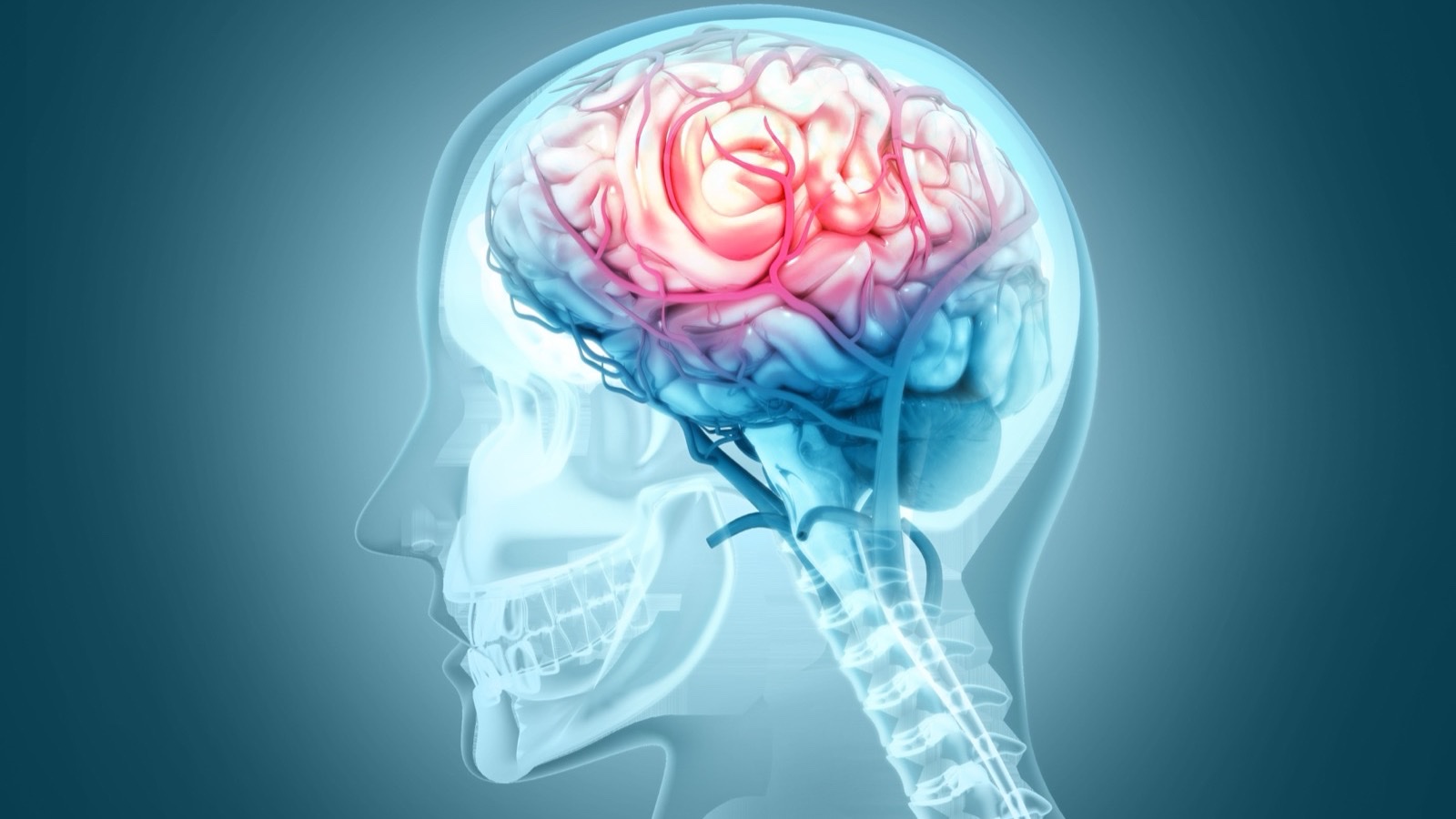
PTSD & Trauma
Trauma lives in the nervous system. Ibogaine and 5-MeO-DMT work at a neurological depth that talk therapy and medication cannot reach — offering many people their first real relief from PTSD symptoms in years.
Can ibogaine help with PTSD and trauma?
Yes, with the strongest signal in veterans: in the 2024 Stanford study, PTSD symptoms fell 88% on average one month after a single magnesium–ibogaine treatment in 30 special-operations veterans. That was open-label with no control group. 5-MeO-DMT is often used alongside as a short reset.
Ibogaine & 5-MeO-DMT
for PTSD & Trauma
Trauma lives in the nervous system. Ibogaine and 5-MeO-DMT work at a neurological depth that talk therapy and medication cannot reach — offering many people their first real relief from PTSD symptoms in years.
Find a Vetted Clinic →
Understanding Trauma: Why It’s So Hard to Treat
Post-traumatic stress disorder is not a psychological weakness — it’s a biological state. Trauma rewires the brain, particularly the amygdala (fear response) and prefrontal cortex (rational thought), locking people into patterns of hypervigilance, avoidance, emotional numbness, and intrusive memories that conventional treatment struggles to resolve.
First-line PTSD treatments — SSRIs, prolonged exposure therapy, EMDR — help many people significantly. But a substantial portion of trauma survivors, particularly those with complex PTSD or military trauma, find that these approaches provide only partial relief or none at all. For them, the search for healing often feels endless.
Ibogaine and 5-MeO-DMT offer something different: they work at a neurological level that allows the brain to process traumatic memories in a new way, outside the normal threat-response state.
The Stanford Study: What the Data Actually Shows
In January 2024, Stanford Medicine published a landmark study in Nature Medicine that changed how the medical establishment views ibogaine for PTSD. The study followed 30 U.S. Special Operations veterans — among the most treatment-resistant trauma cases imaginable — through a single ibogaine treatment combined with magnesium (to protect the heart).
The results were extraordinary:
- 88% average reduction in PTSD symptoms at 30-day follow-up
- 87% average reduction in depression symptoms
- 81% average reduction in anxiety
- Significant improvements in cognitive function, including memory and concentration
- Effects persisted at the one-month follow-up point (the study’s end point)
Lead researcher Dr. Nolan Williams called the results “dramatic” — noting that no existing treatment comes close to producing these results in this population. The study has been cited as a major driver of the Trump administration’s April 2026 executive order fast-tracking psychedelic research.
Two related pages go deeper: ibogaine for traumatic brain injury and ibogaine for first responders.
How Ibogaine Processes Trauma
Ibogaine produces a unique psychedelic experience characterized by an intense “life review” — a visual and emotional replay of autobiographical memories, often including traumatic events. Unlike reliving trauma in a hyperaroused state, patients describe experiencing these memories from a more detached, observer perspective that allows processing without being overwhelmed.
Neurologically, ibogaine appears to temporarily disrupt the default mode network — the brain’s self-referential processing system — in a way that allows rigid trauma patterns to become more flexible. Combine this with ibogaine’s documented neuroplasticity-enhancing effects, and you have a brief window in which the brain can reorganize its relationship to traumatic memory.
“I’d had the same nightmare for 11 years. After ibogaine, I had it once more — but in the ibogaine, I watched it differently. I understood something. The nightmares stopped. It’s been 18 months.” — Combat veteran, VETS program participant
5-MeO-DMT: The Complementary Reset
Many of our partner clinics offer 5-MeO-DMT the day after ibogaine — and for trauma specifically, this combination is particularly powerful. While ibogaine provides the life review and neurological reset, 5-MeO-DMT offers an experience of ego dissolution and oceanic connectivity that many trauma survivors describe as a direct antidote to the isolation and disconnection that trauma creates.
The “God molecule” — as 5-MeO-DMT is sometimes called — produces an experience that many describe as a return to wholeness, a direct felt sense that the trauma does not define them. For veterans dealing with moral injury, survivors of sexual trauma, and people carrying deep shame, this experience can be profoundly liberating.
What Treatment Looks Like for PTSD
PTSD treatment with ibogaine is slightly different from addiction treatment. Key points:
- No taper from opioids is required (unless the patient is also using opioids)
- The session is typically 24–36 hours with full medical monitoring
- Integration support — therapy and community after the experience — is critical for PTSD patients
- Many clinics offer a 5-day to 2-week stay to allow for initial integration in a supported environment
- Follow-up therapy with a trauma-informed therapist is strongly recommended
Psychedelic Connect matches PTSD patients only with clinics that have experience with trauma specifically — not just addiction — and that offer robust integration support.
FAQ: Ibogaine for PTSD
Can ibogaine treat PTSD without addiction?
Yes. While ibogaine is most studied for addiction, its effects on PTSD are well-documented and the Stanford study specifically focused on veterans with TBI and PTSD, not addiction. Many people seek ibogaine purely for trauma healing.
Is it safe to do ibogaine if I’m on antidepressants?
Most antidepressants, particularly SSRIs and SNRIs, must be tapered before ibogaine due to serotonin syndrome risk and interactions. This typically requires 2–4 weeks. Our partner clinics provide detailed pre-treatment protocols and work with your prescribing physician.
What if I have a history of psychosis or bipolar disorder?
Active psychosis or bipolar I disorder are contraindications for ibogaine treatment due to the risk of triggering a manic or psychotic episode. Stable bipolar II may be acceptable with careful screening — this must be assessed on a case-by-case basis with the clinic’s medical team.
How does 5-MeO-DMT help with trauma specifically?
5-MeO-DMT produces a brief (15–45 minute) but profound experience of ego dissolution — the sense of the self temporarily merging with a larger field of awareness. For trauma survivors, this provides a direct experiential counterpoint to the isolation, shame, and fragmentation that trauma creates. Many describe it as the most healing experience of their lives.
Related on this site: ibogaine for PTSD · veterans and first responders · 5-MeO-DMT guide · ibogaine safety guide · what ibogaine treatment actually costs
Sources and further reading
- Nature Medicine (2024): magnesium–ibogaine therapy in veterans with traumatic brain injury — open-label, n=30, no control group
- SAMHSA National Helpline (1-800-662-HELP) — free, confidential, 24/7
Speak with an advisor.
A confidential conversation about your situation and the options actually worth considering — from people who visit every provider they recommend.